

Modern Wood Paneling Design That Are Transforming Interiors
Wood paneling has reclaimed its seat at the head of the design table. Far from the dark, expansive basements of the 1970s, today’s wood-clad interiors are defined by a fusion of Mid-century modern warmth and the clean, rhythmic lines of contemporary biophilic design.
This is not just a comeback; it is a structural evolution where texture, shadow, and material intelligence take center stage.
For developers and designers, wood paneling has transitioned from a mere wall covering to a vital architectural tool used to define zones, soften acoustics, and inject a sense of permanence into a space.
Key Takeaways
- Wood paneling is back in style for 2026, bringing warmth and character to interiors with rich textures and natural finishes.
- Fluted panels add depth and movement to walls, making spaces feel inviting and cozy without overwhelming the design.
- Mixing different wood tones creates a modern, organic feel, enhancing the beauty of natural materials in your home.
- Seamless minimalism focuses on simplicity and light, allowing wood’s natural qualities to shine and create a peaceful atmosphere.
- Eco-friendly wood options, like reclaimed wood and bamboo, not only look great but also support sustainability and environmental health.
Wood Paneling Design Trends
Is wood paneling back in fashion?
Wood panel walls were a zeitgeist throughout the 1960s and 1970s (via Insider). Homeowners at the time loved wood paneling because it was affordable, easy to install, and paired seamlessly with the bold, bright fall hues of the mid-20th century.
In recent years, interior design has shifted from neutral, sterile environments to more hip, eclectic and vintage-inspired homes. In a Vogue article published earlier this year, interior designers eagerly predicted the return of warm, chocolate browns and woody textures.
Like many other mid-century home decor trends, it’s perhaps not surprising that wood paneling is making a comeback. According to Grand View Research, the wood-based panel market is projected to grow by 6.9% annually to be worth $247.23 billion by 2027.
Let’s break down the top trends you’ll see everywhere this year!
Ⅰ. Leading Design Trends: Form and Rhythm
Modern design is moving away from the flat and sterile, opting instead for surfaces that demand to be touched.
Fluted Panels
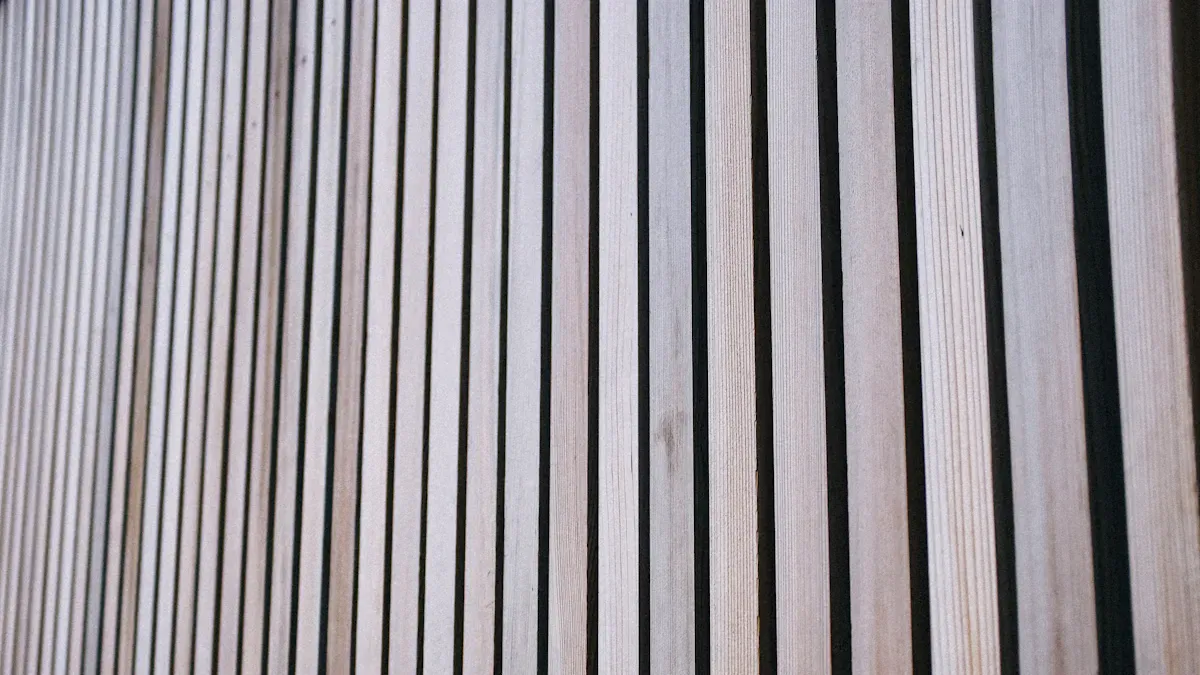
The vertical groove—or fluting—has become the hallmark of the modern feature wall. These panels feature vertical grooves that create a soft, wavy texture on walls. People love how fluted wood brings a sense of movement and depth without feeling busy.
While designers like Drew and Jonathan Scott are using fluted panels to add natural warmth and organic style to kitchens and living spaces.
This trend moves away from harsh minimalism and leans into a cozy, tactile vibe. Fluted panels work well with both light and dark woods, making them a flexible choice for any interior.

Slat and Linear Styles
Slat and linear wood paneling design is all about clean lines and modern appeal. These panels use evenly spaced wooden slats to create a striking visual effect. You’ll see them in living rooms, bedrooms, and even commercial spaces.
Slat panels are popular because they’re versatile—available in many wood types, stains, and finishes. They can add warmth and depth to a room, or bring a touch of luxury to hotels and offices. Acoustic slat panels are also trending, as they help reduce echo and improve sound quality.
- Elevates style in both homes and businesses
- Adds warmth and depth to walls
- Improves acoustics in busy spaces

Geometric Patterns
Geometric wood paneling is making a bold comeback. Designers are playing with irregular shapes and intricate textures. These panels often feature fine channels and handmade details, giving walls a unique, tactile feel.
Geometric patterns add rhythm and drama, especially in smaller rooms where they can make a big impact. The trend highlights organic forms and emphasizes the beauty of natural wood grain.
Note: Geometric panels are perfect for anyone who wants their walls to stand out and tell a story.

Seamless Minimalism
Seamless minimalism is all about simplicity and calm. Light wood panels are key to this look. They reflect natural light, making rooms feel bright and airy. The grain patterns add subtle interest without overwhelming the space.
This style lets the natural qualities of wood shine, creating a peaceful backdrop for everyday life. Soft minimalism is a core principle here—think clean lines, gentle textures, and a focus on quality materials.
| Type of Wood Paneling | Benefits |
|---|---|
| Slatted Acoustic Panels | Reduces echo, improves sound quality |
| Flat Real Wood Veneers | Sleek, modern finish with a natural feel |
| Reclaimed Wood Panels | Eco-friendly, each panel is unique |
| Painted or Whitewashed Panels | Brightens space, keeps wood grain visible |
| Peel-and-Stick Panels | Easy to install, great for renters or small projects |
Mixed Wood Tones
The era of matching everything is over. Instead of sticking to one color, designers are blending different shades and grains. This approach adds depth, warmth, and a modern organic feel to interiors.
You’ll see mixed wood tones in cabinetry, ceilings, and wall panels. The result is a balanced look that feels fresh and inviting. Natural wood brings texture and comfort, making spaces feel more connected to the outdoors.
If you’re looking for inspiration or want to explore these trends, brands like George Panel offer a wide range of wood panel design options to suit every style. Whether you prefer fluted, slatted, geometric, or seamless panels, there’s a wooden panel design that can transform your space in 2026.

Impact on Interior Spaces
Strategic paneling does more than just “look good”; it alters the physical experience of a room.
Lobbies & Commercial Zones: Paneling acts as a high-end visual divider. In open-plan architecture, slatted partitions define specific areas—like reception nooks or waiting lounges—without sacrificing the feeling of openness.
Hospitality & Residential Suites: A well-placed wood feature behind a headboard or a desk immediately grounds the space. It adds a “hush” to the room, creating an atmosphere of exclusivity and rest.
Entryways: First impressions are forged here. High-impact wainscoting or ceiling-wrapped wood panels create a grand, structural entry point that feels both inviting and authoritative.
| Benefit | Description |
|---|---|
| Sustainability | Supports eco-friendly goals and is a smart building choice. |
| Acoustic Performance | Improves sound quality, making spaces quieter and more comfortable. |
| Aesthetic Appeal | Creates engaging, visually appealing environments. |
| Flexibility | Works in many layouts, offering design freedom. |
| Healthier Environments | Helps create spaces that support well-being. |
Wood paneling is also great for dividing open office spaces without building solid walls. This keeps things open but still gives each area its own feel.
Materials and Finishes
Choosing the right materials and finishes can make all the difference in your space. Let’s look at some of the most popular options for 2026 and see why they’re trending.
-
The Heavyweights (Oak & Walnut): White Oak remains the designer’s favorite for its neutral, versatile grain, while Walnut continues to be the shorthand for luxury and depth.
-
Smoked Oak: This material offers a charred, moody aesthetic that is built for high-traffic durability, perfect for modern hospitality projects.
-
WPC & Acoustic Solutions: For B2B projects, Wood Plastic Composite (WPC) is the pragmatic choice. It replicates the warmth of real wood but offers 100% moisture resistance and zero maintenance. When paired with acoustic felt backing, these engineered solutions solve the “echo” problem prevalent in modern hard-surface architecture.
-
Natural Textures: Natural textures connect us to the outdoors and make rooms feel calm. Wood’s grain and touch add warmth and comfort. Studies show that natural wood patterns can help you relax, lower stress, and even improve your mood. Wood also helps balance sound, making spaces quieter and more peaceful. The scent of real wood can boost your well-being, just like a walk in the forest.
Tip: Brands like George Panel offer a wide range of wood panel design options, so you can mix finishes and textures for a look that’s truly your own.
Functional Benefits of Wood Panel Design
Acoustic Comfort
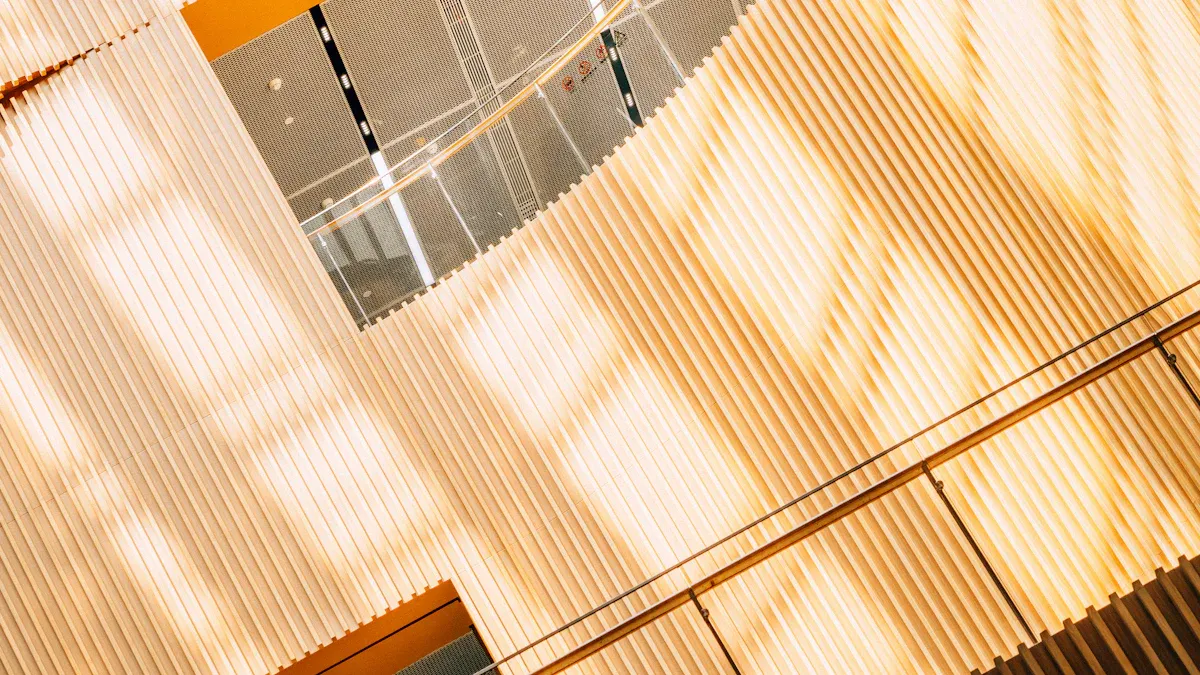
Wood paneling design does more than just look good. It helps create a peaceful space by improving how sound moves around a room. Wood panels scatter sound waves, which means less echo and fewer harsh noises.
This makes living rooms, bedrooms, and even offices feel quieter and more comfortable. The thickness and type of wood can change how well it works, but even thin panels help break up sound reflections. Many people notice that rooms with wood panels feel more relaxing and less noisy.
- Scatters sound for a balanced feel
- Reduces echoes and sound distortion
- Makes spaces more pleasant for work or rest
Eco-Friendly Options
Caring for the planet is easier with smart choices in wood paneling. Many eco-friendly options are available today. Bamboo plywood grows quickly and captures a lot of carbon. Reclaimed wood panels reuse old materials and help save forests. Engineered wood products, like CLT, use fast-growing trees and offer strong performance.
| Wood Paneling Option | Environmental Impact |
|---|---|
| Bamboo Plywood | Grows fast, captures carbon, lowers carbon footprint |
| Reclaimed Wood Panels | Reduces waste, saves forests, supports ecosystems |
| Engineered Wood Products | Uses fast-growing trees, strong and sustainable |
Choosing these materials means you get a beautiful wall and help the environment at the same time.
Warmth and Texture
Wood brings a natural touch to any room. Its grain and color add warmth and make spaces feel cozy. People love how wood softens the look of a space and makes it more welcoming. You can find wood in many colors and patterns, so it fits any style. The texture of real wood also connects you to nature, which can help you relax and feel at home.
Durability
Wood panels last for years, even in busy places. High-quality panels keep their good looks and strength with little effort. Hardwood panels are tough and resist wear, making them perfect for high-traffic areas like hallways or offices. Modern panels use advanced methods to stay strong against water and sunlight. Many famous buildings, like museums and airports, use wood panels because they hold up so well.
- Stays beautiful for over 10 years
- Handles lots of use without damage
- Easy to keep clean and looking new
Wood paneling design gives you comfort, style, and lasting value—all in one smart package.
Expert Tips for Wood Paneling Design

Consistency in Undertones
When mixing wood species, ensure they share a common temperature—warm woods with warm accents, cool with cool—to prevent the design from feeling fragmented.
Installation Advice
Want a smooth installation? Follow these steps:
- Make sure your walls are clean, dry, and solid.
- Measure and mark where each panel will go.
- Start at a corner or the center for a balanced look.
- Cut panels carefully—measure twice, cut once!
- Use the right adhesive and leave a small gap for wood movement.
- Press panels firmly and secure with finishing nails.
- Fill nail holes and sand for a seamless finish.
Skipping wall prep or using the wrong adhesive can cause problems later. For more tips, you can see pour another article to know more: Different Installation Methods for Different Wall Decoration Materials
Budget-Friendly Ideas
You don’t need a huge budget to get a great look. Consider these options:
- Peel-and-stick wood panels for easy DIY projects.
- MDF slat wall panels for a modern touch at a lower price.
- Reclaimed wood for rustic charm and sustainability.
- Beadboard or plywood panels for timeless style that won’t break the bank.
- PVC panels if you want something lightweight and waterproof.
Wood paneling design is changing the way we see our homes in 2026. Designers like Jade Joyner point out that today’s wooden panel design uses real wood and adds warmth and elegance. You’ll notice these trends everywhere:
- Fluted walls and stained oak accents bring depth and style.
- High-quality materials replace the cheap panels of the past.
- Interiors move away from stark white and feel more inviting.
Ready to refresh your space? Try mixing wood tones or adding a feature wall with George Panel. Explore earthy minimalism and let natural materials shine!
George Company Panel Solutions
At George Panel, we bridge the gap between design vision and material performance. We provide B2B contractors, architects, and hotel developers with a curated selection of WPC, acoustic slats, and decorative fluted panels engineered for high-performance commercial use.
Whether you are aiming for a minimalist retreat or a dramatic commercial lobby, we offer the technical expertise and bulk supply chains to bring your project to life. Contact our team to request material samples and wholesale pricing for your upcoming developments.
FAQ
How does modern paneling differ from traditional styles?
Modern designs focus on texture (fluting/slats) and material performance (WPC/Acoustic) rather than the flat, dark-stained plywood sheets used in the mid-20th century.
Is wood paneling suitable for high-moisture areas?
Yes, provided you specify WPC (Wood Plastic Composite). Unlike natural wood, WPC will not swell or warp, making it perfect for bathrooms, spas, and luxury commercial kitchens.
Can paneling help with room acoustics?
Significantly. Slatted panels with acoustic backing are specifically designed to absorb and diffuse sound, making large or echo-prone spaces much quieter and more comfortable.
What is the best way to mix different wood tones?
Establish one “hero” wood color that covers 60-70% of the space. Use a second, contrasting wood tone for accents (like trim or furniture) to create depth while maintaining visual harmony.
Quick Quotation


