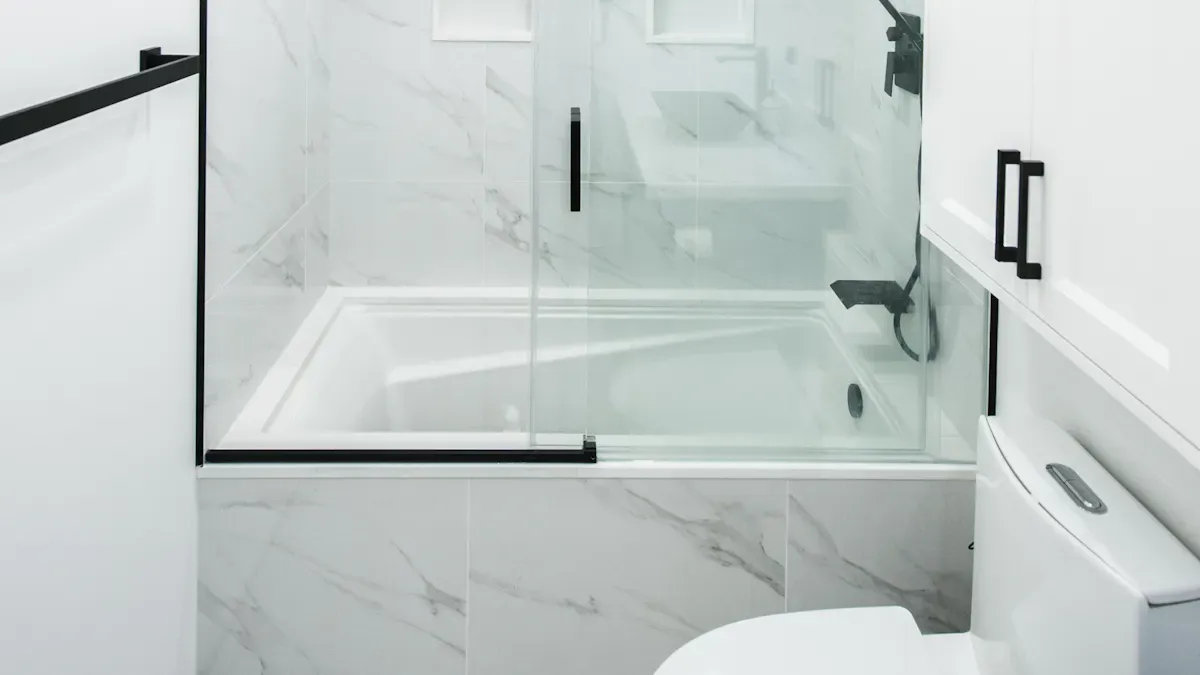
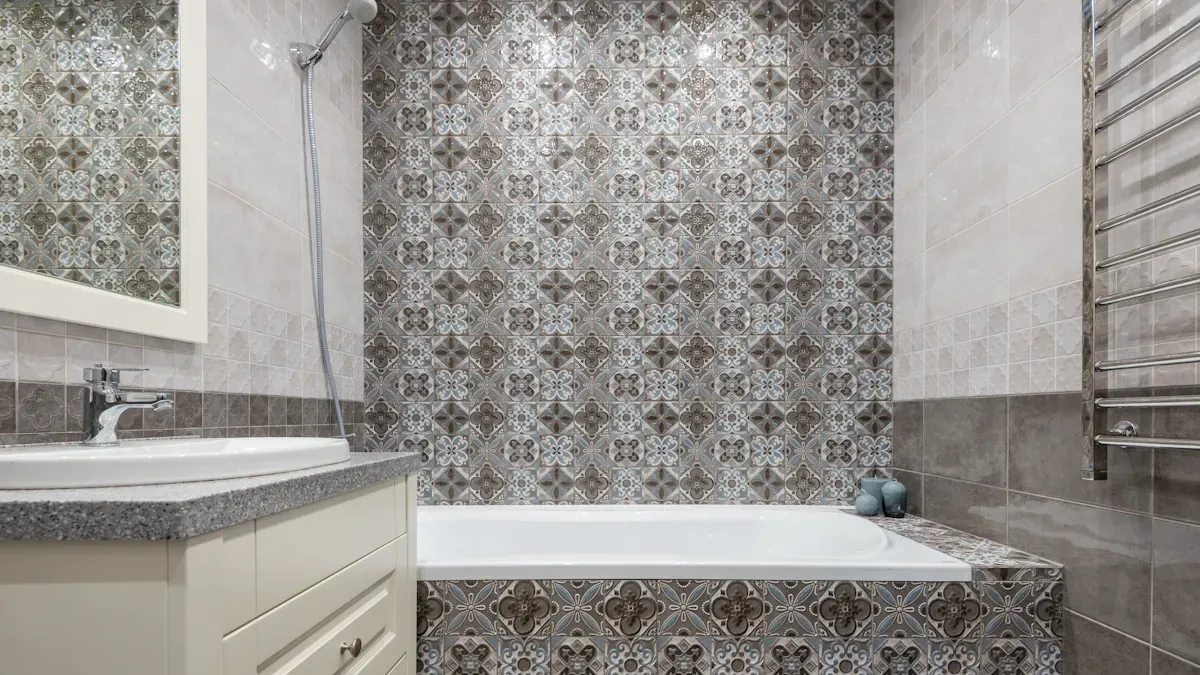
Shower Wall Panels vs Tiles A Complete Guide for Homeowners
Homeowners often ask which is better for shower walls: shower wall panels vs tiles. Recent industry reports show that shower wall panels offer faster installation, lower labor costs, and easier maintenance compared to tiles. The table below highlights these main differences:
| Feature | Shower Wall Panels | Tiles |
|---|---|---|
| Installation Speed | Up to 70% faster | Slower installation |
| Maintenance | Lower maintenance needs | Higher maintenance required |
| Cost | Lower labor costs | Higher labor costs |
| Design | Many finishes and styles | Limited options |
Shower wall panels provide a seamless look and reduce cleaning time in the bathroom, while tiles give a traditional style but need more care. Your choice between shower wall panels vs tiles should match your remodel goals and personal taste. Keep your priorities in mind when planning your bathroom remodel.
Key Takeaways
- Shower wall panels install up to 70% faster than tiles, making them ideal for quick bathroom upgrades.
- Panels require less maintenance than tiles, reducing cleaning time and the risk of mold growth.
- Tiles offer greater design flexibility, allowing for custom layouts and unique patterns to match personal style.
- Consider your budget and lifestyle when choosing; panels are often more cost-effective in the long run due to lower maintenance needs.
- Both options can enhance home value, but tiles may appeal more to buyers seeking classic aesthetics.
Shower Wall Panels vs Tiles Overview

Choosing between shower wall panels vs tiles is a key decision for any bathroom remodel. Homeowners should understand what each option offers before making a choice. This section explains the basics of both panels and tiles, highlighting their main features and differences.
What Are Shower Wall Panels?
Shower wall panels are large, solid sheets designed to cover the wall area in a shower. These panels often use materials like Stone Plastic Composite (SPC), high-end composites, or acrylic.
Georgepanel is one brand known for offering a variety of shower wall panel options. Panels are rigid, waterproof, and do not require grout. Most panels install quickly, sometimes in just a few hours, and create a seamless look.
They resist cracking and remain stable even with temperature changes. Many homeowners choose panels for their easy maintenance and modern appearance.
Tip: Shower wall panels are 100% waterproof and do not absorb water, which helps prevent mold and mildew.
Here is a quick comparison of key features:
| Feature | SPC Shower Wall Panels |
|---|---|
| Material | Stone Plastic Composite (rigid, waterproof) |
| Installation | Fast, clean, no grout required |
| Waterproof Performance | 100% waterproof, minimal seams |
| Design Options | Wide range, seamless appearance |
| Durability | Resistant to cracking, stable under temperature |
| Cost Considerations | Often lower long-term costs |
What Are Tiles?
Tiles are individual pieces, usually made from ceramic, porcelain, or natural stone, that cover the wall in a shower. Each tile is set in place with adhesive and separated by grout lines. Tiles offer high design flexibility and allow for custom layouts and patterns.
However, installing tiles is labor-intensive and often requires professional help. Grout lines can absorb water, which may lead to mold if not properly maintained. Some tile options, like porcelain, are more water-resistant than others.
- Tiles require regular cleaning of grout lines to prevent mold.
- Natural stone tiles need sealing to protect against stains.
- Ceramic and porcelain tiles are popular for their durability and range of design options.
| Feature | Traditional Tiles |
|---|---|
| Material | Ceramic or porcelain (requires grout) |
| Installation | Labor-intensive, requires professional help |
| Waterproof Performance | Water-resistant, but grout can deteriorate |
| Design Options | High design flexibility, custom layouts |
| Durability | Dependent on installation quality |
| Cost Considerations | Higher installation and maintenance costs |
This overview introduces the main differences between shower wall panels and tiles. Homeowners should consider these options carefully to find the best fit for their bathroom wall and personal style.
Pros and Cons of Shower Wall Panels vs Tiles
Choosing between shower wall panels vs tiles can shape the look, feel, and upkeep of your bathroom. Each option has unique strengths and weaknesses. The following sections break down the main advantages and disadvantages of shower wall panels and tiles, helping you make an informed decision for your remodel.
Panels: Pros and Cons
Shower wall panels have become a popular choice for many homeowners. Brands like Georgepanel offer a wide range of options that fit both modern and classic bathroom styles. Below is a table that summarizes the main advantages of shower wall panels:
| Advantage | Description |
|---|---|
| Ease of Installation | Panels install quickly, often in a single weekend, with less mess and fewer tools. |
| Maintenance and Hygiene | No grout means less risk of mold and easier cleaning. |
| Versatility | Panels work well in both large walk-in showers and small bathrooms, providing full coverage. |
| Easy to Cut and Drill | Panels are simple to adjust for fixtures and corners. |
| Hygienic Surface | The seamless design helps prevent bacteria and stains. |
Many homeowners appreciate the advantages of shower wall panels, especially the reduced cleaning time and the seamless look. Panels are also easier to handle during installation, which can save on labor costs.
However, there are several disadvantages of shower wall panels to consider:
- Some panels may not match the high-end look of tile found in luxury homes.
- Standard panel sizes can create visible seams if your shower walls are not a perfect fit.
- Certain models may appear plasticky or less refined, which can affect the overall bathroom appearance.
- Panels usually last around 15 years, which is less than some tile installations.
- Installing panels on curved or uneven walls can be difficult, as they are designed for flat surfaces.
Note: Heavy panels made from materials like granite or marble can be hard to move and install. Always check the weight before starting your project.
Tiles: Pros and Cons
Tiles have been a classic choice for showers for decades. They offer a wide range of design possibilities and can create a custom look for any bathroom. The table below highlights the main benefits of using tiles:
| Benefit | Description |
|---|---|
| Artisan Craftsmanship | Skilled installers can create unique patterns and designs. |
| Design Flexibility | Mix and match sizes, shapes, and materials for endless options. |
| Premium Materials | Choose from natural stone, glass, porcelain, or handcrafted ceramics for a luxury finish. |
| Creative Expression | Use colors, patterns, and textures to personalize your space. |
| Zoning Options | Tiles can define different areas within the shower or bathroom. |
Tiles allow for a high level of customization. Homeowners can select from many colors, finishes, and patterns to match their style. Tile shower walls can add value and a sense of craftsmanship to your home.
Despite these strengths, tiles come with several drawbacks:
- Grout lines can trap moisture, which may lead to mold and mildew.
- Water can seep behind tiles, causing hidden leaks and damage if not properly maintained.
- Installing tiles is a slow and careful process, often taking several days and requiring professional help.
- The need for precise alignment and spacing increases labor costs.
- The installation process creates dust and mess, making cleanup more difficult.
Tip: Regular cleaning and sealing of grout lines can help prevent water damage and mold growth in tile showers.
Both shower wall panels and tiles have clear pros and cons. Panels offer speed, easy maintenance, and a modern look, while tiles provide design flexibility and a classic feel. Consider your priorities, budget, and bathroom layout before making a final choice.
Installation and Remodel Time
Installing Shower Wall Panels
Shower wall panels offer a fast and efficient solution for bathroom remodels. According to remodeling contractors, these panels can be installed in just a day or two. The process is less labor-intensive than tile.
Most panels, including those from Georgepanel, come in large sheets that cover the wall quickly. This reduces the number of seams and creates a smooth, waterproof surface.
Homeowners often choose shower wall panel installation for its speed and minimal mess. The panels are easy to cut and fit around fixtures. Waterproof wall panels help prevent leaks and mold growth, making them a practical choice for busy families.
Tip: Shower panels are ideal for fast-track projects or when you want to minimize bathroom downtime.
Installing Tile
Tile installation takes more time and skill. Contractors must set each tile one by one, align them carefully, and apply grout between the pieces. This process usually takes several days to a week. The wall must be prepared to ensure a flat, stable surface.
Grout lines require extra attention to keep the shower waterproof. The labor for tile shower installation is higher, especially with natural stone or mosaic tile. The table below shows the typical skill level and labor cost for different tile types:
| Tile Type | Skill Level Required | Labor Cost per Square Foot |
|---|---|---|
| Ceramic Tile | Low | $7 – $10 |
| Natural Stone Tile | High | $8 – $14 |
| Mosaic Tile | High | $8 – $14 |
DIY vs Pro Remodel
Many homeowners wonder if they can install panels or tile themselves. Shower wall panels are more DIY-friendly because they require fewer tools and less experience. Most people can complete the installation with basic skills. Tile, on the other hand, often needs a professional for best results.
The process involves precise measuring, cutting, and grouting. Mistakes can lead to leaks or uneven walls. For a quick remodel, panels are the better choice. For a custom look, professional tile installation may be worth the investment.
Cost Comparison for Bathroom Remodel
Upfront Costs
The cost of a bathroom remodel depends on the materials and labor you choose. Shower wall panels often have a lower installation cost than tiles.
Many homeowners select panels from brands like Georgepanel for their value and quick installation. The table below shows the average cost range for different types of shower wall panels, including both material and labor:
| Type of Shower Wall Panel | Cost Range (Material + Labor) |
|---|---|
| FRP, Fiberglass, Acrylic | $200 – $800 |
| PVC Composite | $1,000 – $1,800 |
| Cultured Stone/Solid Surface | $1,100 – $1,900 |
| Laminated Wall Panels | $1,300 – $1,700 |
| Optical Grade Acrylic | $3,200 – $3,600 |
| Marble Slabs | $4,000 – $8,000 |

Tile installation usually costs more. For a tile shower, the price can range from $1,000 to $3,000 for ceramic or porcelain, and even higher for natural stone. Labor for tiles is also more expensive because each piece must be set and grouted by hand. Bathroom tiles with custom patterns or mosaics can increase the total cost.
Tip: Panels can be installed faster, which means you pay less for labor and spend less time without a working shower.
Long-Term Value
Maintenance and repair costs add up over time. Vinyl wall panels need almost no upkeep. Over ten years, the maintenance cost for panels is close to zero. In contrast, bathroom tiles and grout require regular cleaning and resealing. The table below compares the 10-year maintenance cost for panels and tiles:
| Cost Factor | Vinyl Wall Panels | Ceramic & Porcelain Tiles |
|---|---|---|
| 10-Year Maintenance | ~$0 | ~$600 – $1,200 |
Tiles may need repairs if grout cracks or water seeps behind them. These repairs can increase the total cost of owning a tile shower. Panels resist mold and stains, which saves money and time on cleaning. For many homeowners, the long-term value of panels makes them a smart choice for a bathroom remodel.
Note: Choosing the right material can help you avoid surprise costs and keep your bathroom looking new for years.
Maintenance and Cleaning
Caring for Shower Wall Panels
Shower wall panels are designed to be easy to clean and maintain. Most panels, including those from Georgepanel, feature a smooth, non-porous surface that repels water. This design helps prevent mold and mildew from forming on the wall.
Homeowners can keep panels looking new by wiping them down with a soft cloth and a mixture of vinegar and dish soap. No special cleaners are needed. Because these panels are grout free wall panels, there are no cracks or seams for dirt to hide. Cleaning usually takes just a few minutes, making shower wall panels a practical choice for busy families.
- Panels do not absorb water, so mold and mildew rarely develop.
- Acrylic shower panels actively repel water, which helps keep the wall dry.
- Regular cleaning with mild solutions keeps the panels in top condition.
Caring for Tile and Grout
Tiles require more attention to stay clean. The grout between each tile can trap soap scum, mildew, and hard water deposits. Cleaning a tile shower often means scrubbing grout lines, which is a labor-intensive task. Grout free wall panels eliminate this problem, but with tiles, regular maintenance is essential.
Homeowners should reseal grout lines every year to keep water out and prevent stains. Soap scum can also build up on the tile surface, so frequent cleaning is necessary.
- Grout lines need regular scrubbing to prevent mold.
- Sealing grout helps maintain water resistance.
- Tiles can stain if not cleaned often.
Hygiene and Mold Prevention
Hygiene is a top concern in any bathroom. Shower wall panels offer a clear advantage because they seal out moisture and have fewer seams. This reduces the risk of mold and mildew. Grout free wall panels make it easier to keep the wall sanitary.
In contrast, tile and grout are less waterproof and can develop mold if neglected. Regular cleaning and sealing help, but panels provide a more hygienic solution for most showers.
| Feature | Shower Wall Panels | Tiles |
|---|---|---|
| Mold Risk | Very low | Moderate to high |
| Cleaning Time | Few minutes | Longer, especially grout |
| Hygiene | Excellent | Depends on grout care |
Tip: Choosing shower panels with a seamless design can drastically reduce cleaning time and improve hygiene in your bathroom.
Durability and Longevity
How Long Do Panels Last?
Shower wall panels are built to last for many years. Most acrylic panels have an average lifespan of 15 to 20 years. Solid surface panels can last even longer, sometimes up to 30 years with proper care.
Many manufacturers offer warranties, with some panels covered for a lifetime. This gives homeowners peace of mind about their investment. The table below shows the average lifespan for different types of shower wall panels:
| Material Type | Average Lifespan |
|---|---|
| Acrylic Shower Walls | 15-20 years |
| Solid Surface Shower Walls | 15-30 years |
Panels are less likely to develop mold or mildew because they have fewer seams. Regular cleaning helps maintain their appearance and function. Some panels use eco-friendly materials, but recycling options for PVC or acrylic can be limited.
How Long Do Tiles Last?
Tile showers are known for their long lifespan. Porcelain tiles can last over 30 years. Ceramic tiles often remain in good condition for 20 to 30 years or more.
The actual lifespan depends on the quality of installation and how well the grout is maintained. Tiles may not come with strong warranties, but their natural durability makes them a popular choice for many homes. See the table below for a comparison:
| Material Type | Average Lifespan |
|---|---|
| Porcelain Shower Walls | Over 30 years |
| Ceramic Tile | 20-30 years or more |
Tiles can be difficult to recycle, and traditional manufacturing may not use sustainable practices.
Repair and Replacement
Repair needs differ between panels and tiles. Shower wall panels from brands like Georgepanel are easy to clean and resist minor scratches. Small marks can often be buffed out. If a panel is deeply damaged, it may need full replacement.
Tile showers allow for individual tile replacement if one cracks or chips. However, matching old tiles can be a challenge. Tile repairs often require re-grouting, which adds to maintenance time.
| Feature | Shower Wall Panels | Tiles |
|---|---|---|
| Installation Time | Faster, less labor-intensive | More time-consuming |
| Maintenance | Less prone to mold and cracking | Needs regular grout care |
| Repair Process | Buff minor scratches; replace full panel if needed | Replace individual tiles |
Tip: Panels offer quick repairs, while tiles provide flexibility for spot fixes. Consider your lifestyle and how much time you want to spend on maintenance when choosing between these options.
Design Options for Your Bathroom Remodel

Panel Styles and Looks
Shower wall panels offer a wide range of styles for any bathroom. Homeowners can choose from materials like acrylic, PVC, solid surface, laminate, glass, and stone veneer. Each material brings its own look and benefits.
For example, acrylic panels come in many colors and patterns. Solid surface panels give a seamless appearance and high durability. Laminate panels can mimic the look of stone or tile. Georgepanel provides options that fit both modern and classic designs. Most panels are easy to clean and maintain, which appeals to many families.
| Material | Aesthetic Benefits | Functional Benefits | Customization Options |
|---|---|---|---|
| Acrylic | Many colors and patterns | Lightweight, waterproof, easy care | Limited compared to tile |
| PVC | Simple, budget-friendly | Waterproof | Limited |
| Solid Surface | Seamless, durable | Stain resistant | Custom fabrication possible |
| Laminate | Realistic stone/tile looks | Easy to clean | Limited |
| Glass | Sleek, modern | Easy to clean | Custom colors available |
| Stone Veneer | Natural beauty, fewer seams | Durable, heavier | Limited |
Tile Customization
Tile gives homeowners the most freedom to create a unique shower wall. Tiles come in many shapes, sizes, and materials. Ceramic and porcelain tiles are popular for their durability and variety. Natural stone tiles add a luxury touch.
Homeowners can mix colors, patterns, and textures to design a custom look. Skilled installers can create mosaics or special layouts. Tile allows for creative expression in any bathroom. However, tile installation takes more time and care than panels.
Trends and Personalizations
Many homeowners now prefer low-maintenance solutions for their bathroom wall. Over 60% choose options that are easy to clean and install. Shower wall panels have become popular because they save time and offer modern designs.
Installation time for panels is up to 70% faster than tile. Homeowners like the convenience and flexibility that shower panels provide. Tiles remain a top choice for those who want a classic or custom look. Both panels and tiles can fit different styles, from sleek and modern to traditional and elegant.
Tip: Think about your style and how much time you want to spend on cleaning when choosing between panels and tiles for your shower wall.
Best Choice for Your Remodel
Choosing between shower wall panels vs tiles depends on your goals for the bathroom remodel. Each option fits different needs, from quick upgrades to custom designs and family-friendly features.
Quick Upgrades
Homeowners who want a fast and easy bathroom update often prefer shower wall panels. These panels install quickly and cover large areas with fewer seams. The table below compares important factors for quick upgrades:
| Factor | Shower Wall Panels | Tiles |
|---|---|---|
| Installation Time | Quick installation with large panels | Time-consuming due to individual tiles |
| Maintenance | Easy to clean, minimal grout lines | Requires regular cleaning and grout upkeep |
| Cost | Often less expensive to install and maintain | Generally higher installation costs |
| Design Flexibility | Limited compared to custom tile designs | High flexibility for intricate designs |
| Material Durability | Waterproof and durable, but varies by material | Durable but can crack or chip |
Custom or Luxury Bathrooms
For a custom or luxury bathroom, the choice between shower wall panels vs tiles depends on your design vision. Panels provide a modern, seamless look with minimal maintenance. They resist water and wear, making them practical for busy homes. Tiles allow for endless customization.
You can mix colors, patterns, and materials to create a unique tile shower. Tiles bring a traditional luxury feel but require more care, especially with grout lines.
- Wall panels: Quick installation, modern style, easy cleaning, and no grout.
- Tiles: Custom layouts, classic luxury, mix-and-match options, but need regular grout care.
Family and Accessibility Needs
Families and those with accessibility needs should consider safety and convenience. Both panels and tiles can support features like grab bars, shower seats, and non-slip flooring. Panels create a smooth wall surface that is easy to clean and maintain.
This helps reduce mold and makes the shower safer for everyone. Tiles can also work well, but grout lines may need extra attention to keep the wall clean and safe.
Tip: Choose panels for a low-maintenance, family-friendly shower wall. Add grab bars or a shower seat for extra support.
The best choice for your bathroom remodel depends on your priorities. Consider how much time you want to spend on cleaning, your design style, and the needs of your household.

Home Value and Resale
Impact on Resale Value
The choice between shower wall panels and tiles can influence the resale value of a home. Real estate market data shows that buyers look for high-quality finishes in the bathroom. Upgrades to surfaces, such as the shower area, are now seen as essential rather than optional.
Homes with a well-designed walk-in shower or a modern tile installation often attract more interest. Georgepanel wall panels offer a seamless look that appeals to buyers who want easy maintenance and a contemporary style.
A table below compares how each option can affect resale value:
| Feature | Shower Wall Panels | Tiles |
|---|---|---|
| Buyer Expectations | Modern, low-maintenance | Classic, custom appearance |
| Market Value Impact | Positive if quality and style match | Positive, especially with high-end tile |
| Maintenance Appeal | High | Depends on grout condition |
Research suggests that homes with at least one bathtub and a stylish shower sell faster and sometimes at higher prices. The material used for the shower wall, whether panels or tiles, should complement the overall bathroom design to maximize value.
Buyer Appeal
Buyers today expect bathrooms to feature durable and attractive surfaces. Many prefer tiles for their classic look and the ability to create custom designs. Tile showers can make a strong impression, especially when the installation uses quality materials and expert craftsmanship.
However, some buyers value the easy cleaning and modern feel of shower wall panels.
Note: High-quality finishes in the shower area can set a home apart in a competitive market.
Tiles remain popular for their timeless style, but panels are gaining ground with buyers who want less maintenance. Both options can boost buyer appeal if they fit the bathroom’s style and are installed with care.
Choosing between shower wall panels and tiles depends on your shower goals and remodel priorities. Panels, such as those from Georgepanel, offer quick installation, lower costs, and easy cleaning. Tiles provide high-end appeal and custom design options but need more upkeep.
Homeowners should consider budget, style, and how much maintenance fits their lifestyle. Both options can create a beautiful shower with the right planning.
FAQ
Are shower wall panels waterproof?
Yes, shower wall panels are waterproof, because they use materials such as Stone Plastic Composite and acrylic. These panels prevent water from seeping through, which helps reduce mold and mildew.
How often do I need to clean tile grout?
Tile grout needs cleaning at least once a week. Grout can trap dirt and moisture. Regular scrubbing and sealing help prevent mold and stains.
Can I install shower wall panels myself?
Many homeowners can install shower wall panels without professional help. These panels are designed for easy DIY installation. Basic tools and careful measurements are needed for best results.
Which option adds more value to my home?
Tile showers often add more value due to their classic look and custom designs. High-quality panels also appeal to buyers who want modern style and easy maintenance.
Quick Quotation